Shredded by Summer: 8 Weeks to Your Best Body Ever

The problem with typical fat loss diets is they’re a long, arduous journey.
Most lifters fall off the wagon before they can make meaningful progress and get shredded by summer.
No more.
Long-duration diets ignore one of our most precious resources: willpower. That’s why I’m proposing something different, a radical shift from the long and steady approach of 16-week diets.
You have eight weeks, and eight weeks only, to generate an all-out assault on fat loss to get shredded by summer.
Are you ready to go all in?
Recommended: Need help losing fat? Take our Free Fat Loss Course
Some coaches say you need 12-16 weeks of straight dieting to get shredded.
Not me.
You’re much better off hitting it with all you got for eight weeks. If there’s still work to do, take a week off on maintenance, and then restart with another eight-week assault. Ninety percent of long-term fat loss cuts fail. After a month, motivation and discipline waver.
Most lifters fall off the wagon and trade their chicken and broccoli in for gourmet mac n’ cheese, devouring whatever tasty calorically dense morsels cross their face. Why? A lack of willpower.
Willpower goes by many terms like perseverance and discipline, but they’re all the same. Willpower is your self-control for long-term success over immediate gratification. Can you turn down chicken and waffles for a Mediterranean omelet? Sure, for a while. But, you can’t make perfect decisions indefinitely.
Willpower isn’t on demand; it’s a rapidly depleting asset that’s drawn away with every conscious decision from picking out your meals to training and work. By now, a few of you are probably saying, "Dude. Eric’s gone soft. Weak-minded Millennial. Shouldn’t everyone just suck it up and stop being lazy?" Of course.
You need grit, toughness, and perseverance to succeed, but not setting your environment for success is like carving your gravestone before the reaper pays his visit.
Setting the Environment to Get Shredded
To get you shredded in eight weeks, we’ll focus your fat loss battle on the most important keys to success and knock them out of the park while willpower is at its highest. Your training is focused on muscle retention, then we'll add to a total caloric deficit. Your recovery predicated on allowing for a high training frequency and stress reduction.
Your nutrition based on maximizing adherence and creating a caloric deficit to maximize fat loss.
Maximizing Fat Loss Training
Weight training for fat loss is predicated on maximizing muscle retention, maintaining anabolic hormone levels, and preserving your metabolism. To optimize your training, we’ll combine heavy lifting for muscle retention and anabolic hormone levels. Then, we'll finish workouts with a focus on training density to supercharge fat loss.
Hormone Support
Harsh dieting leads to decreased testosterone levels, unless you take action to prevent it. By focusing on heavy multi-joint lifts like chin ups, squats, presses, and deadlifts, you’ll stimulate the release of testosterone.
Strength training has been repeatedly proven to induce the release of testosterone, boosting total body anabolism, and stimulating muscle retention.1 Using short rest periods with major, multi-joint lifts also stimulates the release of growth hormone (GH).
This combination helps you hold onto lean muscle and promotes fat loss.
Lift Heavy
Heavy strength work 1-2x/week activates fast-twitch muscle fibers to preserve muscle and supports healthy anabolic hormone levels while dieting. This offsets the catabolism of muscle tissue, so you look lean and chiseled, not withered and wimpy.
Related: 5 Killer Arm Workouts for Tank Top Season
Straight Sets
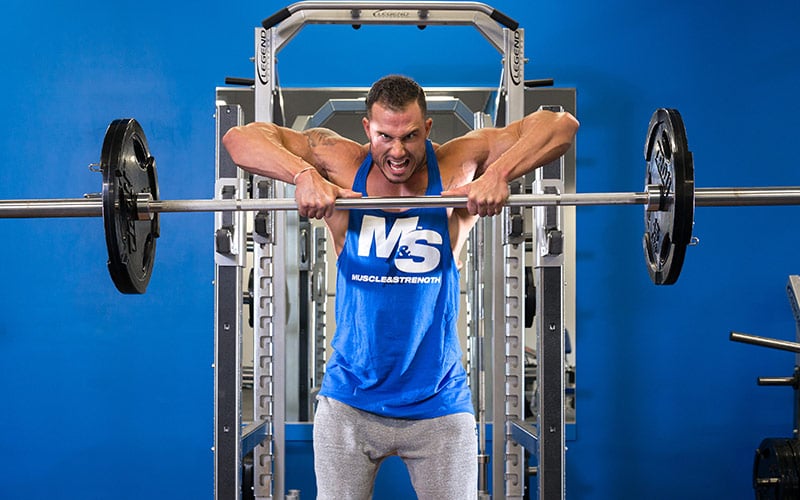
Pick one upper and one lower body lift from the following during fat loss training and make them a focus first in 1-2 workouts per week. Rep schemes like 4×4, 5×5, and 6×3 work best. For upper body, do overhead press, chin-ups, bench press, dips, or rows. For lower body, do cleans, squats, deadlifts, or lunges.
Ramping up to 2,3,4 5RM (75-96% 1-RM)
Start with a moderate training load for the prescribed number of reps and build your way up (ascending loading) to the heaviest set with the reps. As you increase the load you “charge” the nervous system with heavier loads. Ramping sets work best as straight sets with heavier loads.
High-Density Training
Training density is a key component to maximizing fat loss. Doing multi-joint exercises with inadequate recovery creates huge metabolic demands to improve your rate of fat loss. One of the primary components is metabolic stress.
Stimulating Metabolic Stress
Metabolic stress happens from training at a high intensity where your body switches to anaerobic metabolism for the delivery in ATP. When you reach this intensity, the breakdown of stored energy releases metabolic by-products of muscular contractions. In turn, this causes stress to working muscles, triggers the release of GH, and further stimulates fat loss and the need for post-workout recovery.
Keep rest short and intensity high to the point where you can’t have a conversation without breaking up your words due to a lack of oxygen when training.
Density Circuits
By combining a variety of movement patterns, all muscles of the body get blasted within a short period of time for increased work capacity and rapid fat loss. Here's an example:
Circuit 1:
- [Vertical Pull] Chin Up - 4×8 Rest = 0
- [Vertical Push] DB Push Press - 4×10 Rest = 0
- [Single leg] DB Goblet Lunge - 4×6/leg Rest = 60-90 seconds
Circuit 2:
- [Horizontal Pull] One Arm Dumbbell Row - 3×8/arm Rest = 60-90 seconds
- [Horizontal Push] Feet Elevated Push Up - 3×15 Rest = 0
- [Hip Dominant Lower] DB or BB RDL - 3×15 Rest = 0
- [Core] Plank - 3×45 seconds Rest = 60 seconds
Hormonal adaptations change based on exercise rest periods. Short exercise rest periods are recommended because they augment a greater GH response compared to long rest periods.4 So while longer rest periods are best for nervous system recovery, shorter rest periods (30-60 seconds) are better for burning fat and building muscle.
Related: Auto-Regulation and Percentage-Based Training: The Hybrid Approach
Timed Sets
Perform 3-4 work sets of a given exercise for 20-45 Seconds. Timed sets are great for burning fat because they force time under tension, forcing metabolic stress and muscular damage. As a result, you burn through stored carbohydrates and trigger tons of metabolic by-product build up within muscles, triggering growth hormone release.
The idea is as simple as it sounds. Use a weight you can lift for 12-15 reps to start and perform reps of an exercise for time, starting at 30 seconds and increasing time by five seconds each week with a work to rest ratio of 1:2.
Exercise: Goblet Squat
- Week One: 30 seconds/set Rest: 60 seconds
- Week Two: 35 seconds/set Rest: 70 seconds
- Week Three: 40 seconds/set Rest: 80 seconds
- Week Four: 45 seconds/set Rest: 90 seconds
High Intensity Conditioning
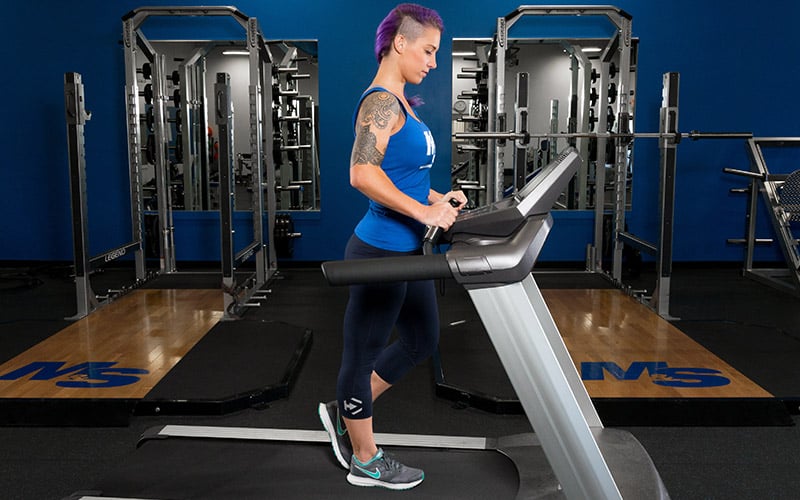
High intensity conditioning like interval sprints work like a cheat-code to accelerate fat loss. The high intensity produces powerful muscular contractions of major muscles, creating a hormonal response like weight lifting. That’s one reason you’ll see insanely jacked sprinters.
By performing high-intensity conditioning exercises 2x per week, you’ll create a huge caloric deficit, trigger exercise post-oxygen consumption (EPOC), boost insulin sensitivity, and cardiovascular health.
Low-Moderate Intensity Conditioning
A blend of high-intensity, high-density (HIIT), and low intensity training is best for fat loss, but most people skip low-intensity work. Low and moderate intensity conditioning improves CV function, capillary density, venous return, and manages fatigue while boosting your recovery between workouts.
Get 10,000 steps per day and 20-30 minutes of low-moderate intensity cardio like biking or incline walking 2-3x per week.
Pick two or three exercises per week during “cut” phases and work to maintain or even build strength numbers to preserve strength and mass. Then, use density training and timed sets to stimulate growth hormone release, and improve insulin sensitivity for maximal fat loss.
Recovery for a Shredded Physique
Lost in the frantic race for max fat loss is the fact that fat loss is a stressor. Staying in caloric deficit over time battles your evolutionary survival mechanisms that store fuel for use later. And stress is systemic. Stress from training, a caloric deficit, the six beers you drank last night, and the stimulants you’re taking to make it through the day all create a stress response that kicks your adrenals in the face.
This is where a lot of lifters run into trouble. All sources of stress put your adrenals to work, forcing them to release norepinephrine (adrenaline) and cortisol to handle the battles of the day. When you’re blasting your adrenal glands with a stress response, you’re constantly making withdrawals on the adrenal bank.
Related: 4 Effective Foam Rolling Drills That Increase Mobility
Eventually, you’ll overdraft your adrenal glands and cause a chronic stress response. This increases cortisol, increases appetite, crushes your energy, and makes fat loss much harder. To maximize fat loss you need to take active steps to manage stress. We’ll balance a combination of adding new behaviors and taking away old habits.
Do:
- Meditate for 10 minutes in the morning. Headspace is a great app to start a mindful meditation practice.
- Perform soft tissue work and light stretching regularly. Consider sports massage and using float tanks on a regular basis.
- Go to bed and rise at the same time every day. Setting consistent sleep and rise times is one of the best actions you can take to improve sleep quality.
- Moderate your caffeine intake. Are you drinking two cups of coffee, a few diet cokes, a pre-workout, and sippin’ tea? Cut your caffeine intake in half on non-training days to give your adrenals a break.
- Aid in the Detox. Fat cells store a greater number of toxins. During fat oxidation these environmental toxins may be released, adding to the difficult sensations of a fat loss diet.
- Don’t fall prey to celebrity "celery and goji berry miracle cleanses". Instead, make good choices every day. Walk 10,000 steps per day, take epsom salt baths, and eat a diet high in fruits and vegetables to aid in natural detoxification.
Stop:
- Spending time in front of bright screens 60 minutes before bed. At the least, use a blue light filter like F.lux to allow your natural circadian rhythms and melatonin secretion to take place.
- Crushing caffeine 8 hours before bed. That means if you’re sleeping by ten, get rid of caffeine after two.
- Getting hammered on the weekends. Keep alcohol intake to 2-3 drinks/week minimum, and stay away from drunk food. Remember, get to bed at the same time each night, bar-star.
- Use heavy (high intensity) weight lifting and high-intensity cardio like intervals and sprints day after day. Instead, balance your training on neural demands. Monday, take care of your jump squats, cleans, and squats with your high-intensity conditioning. Dial it back on Tuesday with lighter training loads, more volume, and lower intensity conditioning.
Fat Loss Nutrition
It doesn’t matter how hard you’re training if you're slamming vodka red bull and crushing 2:00 am pizza every thirsty Thursday. All the fist pumping and interval sprints won’t undo that damage. Sorry, bro. Diet is still the primary driver of fat loss.
Track Your Macros
When it comes to nutrition, calories are still king. To maximize fat loss, you’ll need to track calories. Don’t knock it until you try it. It’s only for eight weeks. I guarantee if you track your food for eight weeks you’ll be leaner. Track by hand or use an app like MyFitnessPal. Either way, get it done. It takes five minutes per day.
Meal Timing and Frequency
The battle between nutrient timing, meal frequency, and body composition has been non-stop for the last decade. So what’s the answer, six meals per day, two meals, or somewhere in-between?
Well, they all work, granted you keep your calories and food quality in check. Find what works in your lifestyle and go from there. I've found intermittent fasting to work extremely well for my clients’ fat loss and urge you to give it a shot for the next eight weeks.
Related: How To Build A Fat Loss Meal Plan - A Step-by-Step Guide
Pushing breakfast back a few hours helps my clients be more productive when will power is highest in the morning. Then, as will power decreases throughout the day, they’re afforded more flexibility in their diet for bigger feasts at night.
Here are additional benefits of IF:
- Learn the difference between physiological and psychological hunger.
- Improved insulin sensitivity2
- Boost in GH Release3
- Give digestive system a break. But, use a digestive enzyme if you’re crushing massive amounts of food at night.
- Dietary Flexibility. A shorter window allows you to eat more foods you enjoy, boosting motivation and retaining dietary will power longer.
What’s wrong is the assumption that what works for you is necessarily what’s best for everyone. Find what eating strategy allows you to make the best decisions consistently over time to optimize fat loss.

Eat Real Food
You have eight weeks to get chiseled, so you’ll need to eat clean most of the time. The IIFYM crowd might make you feel good about crushing Ben and Jerry’s after a long day at work, but make the majority of your meals high quality foods. Focusing on the best fruits, vegetables, starches, and protein sources you can afford is always a good plan for optimal health and body composition.
It’s much harder to overeat 2,000 calories worth of broccoli, potatoes, and salmon than a cheeseburger and fries. An intermittent fasting approach will allow a bit more flexibility for a cheat meal or two, but keep it within your caloric requirements.
Caloric Calculations
Being in a caloric deficit is still the most important factor for fat loss. Calculate your caloric requirements based on the chart below. These are aggressive numbers as we have an eight-week window to crush your fat loss.
| % BF Men | % BF Women | Bodyweight Multipliers | % Carbs | % Fats | % Protein |
|---|---|---|---|---|---|
| 6-12 | 12-18 | 12, 14 | 35 | 30 | 35 |
| 13-19 | 19-25 | 10, 12 | 30 | 30 | 40 |
| 20+ | 26+ | 9, 10 | 25 | 35 | 40 |
In the 'Bodyweight Multipliers' column, the first number is the calories on non-training days while the second number is for training days. This sets you up for calorie cycling based on activity levels.
Ex.) 185 lb. male at 10% BF
Non-Workout Day
- 185 x 12 (non-workout day) = 2,200 calories
- Carbs: 2200 x.35 = 770 calories/4 calories/gram= 192.5 g/carbs
- Fat: 2200 x.3= 660 calories/ 9 calories/gram = 73 g/fat
- Protein: 2200 x.35= 770 calories/4 calories/gram= 192.5 g/carbs
Workout Day
- 185 x 14 (workout day) = 2,590 calories
- Carbs: 2590 x.35 = 906 calories / 4 calories/gram = 226 g/carbs
- Fat: 2590 x.3= 777 calories/ 9 calories/gram = 86 g/fat
- Protein: 2590 x.35= 906 calories / 4 calories/gram = 226 g/protein
Calories are the most important part, with protein intake running second. Carb and fat balance matter, but aren’t an end-all be-all as long as your calories are in line with your goals. The only recommendation I’d have here is keep carbs a bit lower the higher your body fat percentage is, especially if you hold fat on your love handles.
The leaner you are at the beginning of your diet, the more carbs and calories you’ll consume. Generally, the leaner you are, the better your insulin and anabolic hormone levels, which allows for better nutrient partitioning. Men 6-12% and women 12-18% should do low-intensity cardio like incline walking 3-4 x week for 30-40 minutes to burn more calories through exercise.
The more body fat you have, the greater the caloric deficit through diet and lower carbohydrate levels. This works to jumpstart rapid fat loss and bring about greater insulin sensitivity.
Making Dietary Adjustments
Weigh yourself at regular intervals every other day. Don’t fret about the scale daily. If the scale doesn't budge after one week, drop your calories by 300/day for men, and 200/day for women. After two weeks, re-calculate calories based on your new bodyweight.
Putting a Plan to Get Shredded in Action
1. Calculate your Calories
- 4 days high, 3 days Low
- Eat “clean” most of the time.
- Base meal frequency on what allows you to hit your calories easiest.
- Re-calculate every 2 weeks based on new bodyweight, or decrease by 300 calories if you’re not seeing a change
2. Monitor your Recovery and Reduce Stress
- Be careful of stimulants
- Less screen-time and consistent bed time
- Less booze and drugs
- Regular recovery methods like soft-tissue work, massage, and use of float tanks
- Meditate
3. Follow This Workout
- 10,000 steps/day
- Base training on neural demands
- Blend high intensity and low intensity conditioning
4. Still need to lose more fat?
Do the plan for eight weeks, bump calories up by 300-500 for a week, and repeat the diet phase.
Shredded by Summer 8-Week Workout
Week One and Two
Day 1
After training or on Tuesday perform treadmill intervals. Utilize three minutes as a warmup, then do 6 intervals of 15 seconds sprinting and 45 seconds resting. Start with a 5% incline and gradually increase speed on each rep.
| Exercise | Sets | Reps | Rest |
|---|---|---|---|
| 1a. Box Jump | 3 | 5 | - |
| 1b. Overhead Medicine Ball Slam | 3 | 5 | 1 min |
| 2a. Front Squat | 3 | 5 | 2 min |
| 2b. Bodyweight Supine Glute Bridge | 3 | 10 | 1 min |
| 3a. Push Press | 3 | 5 | 1 min |
| 3b. Band Pull Apart | 3 | 10 | 2min |
Day 2
| Exercise | Sets | Reps | Rest |
|---|---|---|---|
| 1. Dumbbell Hang Snatch | 3 | 5 | 90 secs |
| 2a. Barbell Explosive Bench Press | 5 | 6 | 30 secs |
| 2b. Stability Ball Forearm Plank | 5 | 30 secs | 90 secs |
| 3a. Dumbbell Incline Press | 3 | 6 | - |
| 3b. Dumbbell One Arm Row | 3 | 8 | - |
| 3c. Goblet Reverse Lunges | 3 | 8 each leg | 1 min |
| 4a. Dumbbell Single Leg RDL | 2 | 8 | - |
| 4b. Feet Elevated Pushup | 2 | failure | - |
| 4c. Dumbbell Bicep Curl | 2 | 15 | 1 min |
Day 3
After training perform treadmill intervals. Utilize three minutes as a warmup, then do 6 intervals of 15 seconds sprinting and 45 seconds resting. Start with a 5% incline and gradually increase speed on each rep.
| Exercise | Sets | Reps | Rest |
|---|---|---|---|
| 1a. Clean | 3 | 5 | - |
| 1b. Dumbbell Jump Squat | 3 | 5 | 3 min |
| 2. Trap Bar/Sumo Deadlift | 3 | 5 | 3 min |
| 3a. Dumbbell One Arm Overhead Press | 3 | 6 | 60-90 secs |
| 3b. Dumbbell Split Squat | 3 | 8 | 60-90 secs |
| 4. Dumbbell Farmers Walk | 4 | 50 | 1 min |
Day 4
| Exercise | Sets | Reps | Rest |
|---|---|---|---|
| 1a. Goblet Squat | 3 | 8 | - |
| 1b. Dumbbell Stiff Leg Deadlift | 3 | 8 | - |
| 1c. Dumbbell Bent-Over Row | 3 | 8 | - |
| 1d. Dumbbell Press | 3 | 8 | - |
| 1e. Dumbbell Curl to Press | 3 | 8 | - |
| 1f. Dumbbell Goblet Lunge | 3 | 8 each leg | 2min |
Week Three and Four
Day 1
After training or on Tuesday perform treadmill intervals. Utilize three minutes as a warmup, then do 8 intervals of 15 seconds sprinting and 45 seconds resting. Start with a 5% incline and gradually increase speed on each rep.
| Exercise | Sets | Reps | Rest |
|---|---|---|---|
| 1a. Box Jump | 3 | 5 | - |
| 1b. Overhead Medicine Ball Slam | 3 | 5 | 1 min |
| 2a. Front Squat | 3 | 5 | 2 min |
| 2b. Bodyweight Supine Glute Bridge | 3 | 10 | 1 min |
| 3a. Push Press | 3 | 5 | 1 min |
| 3b. Band Pull Apart | 3 | 10 | 2min |
Day 2
| Exercise | Sets | Reps | Rest |
|---|---|---|---|
| 1. Dumbbell Hang Snatch | 4 | 4 | 90 secs |
| 2a. Barbell Explosive Bench Press | 4 | 4 | - |
| 2b. Stability Ball Forearm Plank | 4 | 45 secs | 2 min |
| 3a. Dumbbell Incline Press | 3 | 6 | - |
| 3b. Dumbbell One Arm Row | 3 | 8 | - |
| 3c. Goblet Reverse Lunges | 3 | 8 each leg | 1 min |
| 4a. Dumbbell Single Leg RDL | 2 | 8 | - |
| 4b. Feet Elevated Pushup | 2 | failure | - |
| 4c. Dumbbell Bicep Curl | 2 | 15 | 1 min |
Day 3
After training perform treadmill intervals. Utilize three minutes as a warmup, then do 8 intervals of 15 seconds sprinting and 45 seconds resting. Start with a 5% incline and gradually increase speed on each rep.
| Exercise | Sets | Reps | Rest |
|---|---|---|---|
| 1a. Clean | 4 | 4 | - |
| 1b. Dumbbell Jump Squat | 4 | 4 | 3 min |
| 2. Trap Bar/Sumo Deadlift | 4 | 4 | 3 min |
| 3a. Dumbbell One Arm Overhead Press | 3 | 8 | 60-90 secs |
| 3b. Dumbbell Offset Split Squat | 3 | 10 | 60-90 secs |
| 4. Dumbbell Farmers Walk | 4 | 60 | 1 min |
Day 4
| Exercise | Sets | Reps | Rest |
|---|---|---|---|
| 1a. Goblet Squat | 3 | 8 | - |
| 1b. Dumbbell Stiff Leg Deadlift | 3 | 8 | - |
| 1c. Dumbbell Bent-Over Row | 3 | 8 | - |
| 1d. Dumbbell Press | 3 | 8 | - |
| 1e. Dumbbell Curl to Press | 3 | 8 | - |
| 1f. Dumbbell Goblet Lunge | 3 | 8 each leg | 2min |
Week Five and Six
Day 1
After training or on Tuesday perform treadmill intervals. Utilize three minutes as a warmup, then do 10 intervals of 15 seconds sprinting and 45 seconds resting. Start with a 5% incline and gradually increase speed on each rep.
| Exercise | Sets | Reps | Rest |
|---|---|---|---|
| 1a. Box Jump | 4 | 3 | - |
| 1b. Overhead Medicine Ball Slam | 4 | 3 | 1 min |
| 2. Front Squat | 4 | 3 | 3 min |
| 3a. Push Press | 5 | 3 | 1 min |
| 3b. Band Pull Apart | 5 | 10 | 2min |
Day 2
| Exercise | Sets | Reps | Rest |
|---|---|---|---|
| 1. Dumbbell Hang Snatch | 5 | 3 | 90 secs |
| 2a. Barbell Explosive Bench Press | 5 | 3 | - |
| 2b. Stability Ball Forearm Plank | 4 | 45 secs | 2 min |
| 3a. Dumbbell Incline Press | 3 | 6 | - |
| 3b. Dumbbell One Arm Row | 3 | 8 | - |
| 3c. Goblet Reverse Lunges | 3 | 8 each leg | 1 min |
| 4a. Dumbbell Single Leg RDL | 2 | 8 | - |
| 4b. Feet Elevated Pushup | 2 | failure | - |
| 4c. Dumbbell Bicep Curl | 2 | 15 | 1 min |
Day 3
After training perform treadmill intervals. Utilize three minutes as a warmup, then do 10 intervals of 15 seconds sprinting and 45 seconds resting. Start with a 5% incline and gradually increase speed on each rep.
| Exercise | Sets | Reps | Rest |
|---|---|---|---|
| 1a. Clean | 4 | 3 | - |
| 1b. Dumbbell Jump Squat | 4 | 3 | 3 min |
| 2. Trap Bar/Sumo Deadlift | 4 | 3 | 3 min |
| 3a. Dumbbell One Arm Overhead Press | 3 | 10 | 60-90 secs |
| 3b. Dumbbell Offset Split Squat | 3 | 12 each side | 60-90 secs |
| 4. Dumbbell Farmers Walk | 4 | 75 | 1 min |
Day 4
| Exercise | Sets | Reps | Rest |
|---|---|---|---|
| 1a. Goblet Squat | 4 | 6 | - |
| 1b. Dumbbell Stiff Leg Deadlift | 4 | 6 | - |
| 1c. Dumbbell Bent-Over Row | 4 | 6 | - |
| 1d. Dumbbell Press | 4 | 6 | - |
| 1e. Dumbbell Curl to Press | 4 | 6 | - |
| 1f. Dumbbell Goblet Lunge | 4 | 6 each leg | 90 secs |
Week Seven and Eight
Day 1
After training or on Tuesday perform treadmill intervals. Utilize three minutes as a warmup, then do 10 intervals of 15 seconds sprinting and 45 seconds resting. Start with a 5% incline and gradually increase speed on each rep.
| Exercise | Sets | Reps | Rest |
|---|---|---|---|
| 1a. Box Jump | 3 | 3 | - |
| 1b. Overhead Medicine Ball Slam | 3 | 3 | 1 min |
| 2. Front Squat | 4 | 6 | 2 min |
| 3a. Push Press | 4 | 6 | 90 secs |
| 3b. Cable Face Pulls | 4 | 12 | 2min |
Day 2
| Exercise | Sets | Reps | Rest |
|---|---|---|---|
| 1. Dumbbell One Arm Snatch | 4 | 6 | 90 secs |
| 2. Close Grip Bench Press | 5 | 5 | 90-120 secs |
| 3a. Dumbbell Incline Press | 3 | 6, 8 ,10 | - |
| 3b. Dumbbell One Arm Row | 3 | 8, 10, 12 | - |
| 3c. Goblet Walking Lunge | 3 | 8, 10, 12 | 60-90 secs |
| 4a. Dumbbell Lateral Raise | 3 | 12 | - |
| 4b. Feet Elevated Pushup | 3 | failure | - |
| 4c. Dumbbell Hammer Curl | 3 | 15 | 1 min |
Day 3
After training perform treadmill intervals. Utilize three minutes as a warmup, then do 10 intervals of 15 seconds sprinting and 45 seconds resting. Start with a 5% incline and gradually increase speed on each rep.
| Exercise | Sets | Reps | Rest |
|---|---|---|---|
| 1a. Clean | 4 | 5 | 90 secs |
| 2. Trap Bar/Sumo Deadlift | 4 | 6 | 3 min |
| 3a. Kneeling Dumbbell Overhead Press | 3 | 12 | 60-90 secs |
| 3b. Dumbbell Offset Split Squat | 3 | 12 each side | 60-90 secs |
| 4. Dumbbell Farmers Walk | 4 | 75 | 1 min |
Day 4
| Exercise | Sets | Reps | Rest |
|---|---|---|---|
| 1a. Goblet Squat | 4 | 6 | - |
| 1b. Dumbbell Stiff Leg Deadlift | 4 | 6 | - |
| 1c. Dumbbell Bent-Over Row | 4 | 6 | - |
| 1d. Dumbbell Press | 4 | 6 | - |
| 1e. Dumbbell Curl to Press | 4 | 6 | - |
| 1f. Dumbbell Goblet Lunge | 4 | 6 each leg | 90 secs |
References
- Craig, BW, Brown R, and J. Everhart. “Effects of Progressive Resistance Training on Growth Hormone and Testosterone Levels in Young and Elderly Subjects.” National Center for Biotechnology Information. U.S. National Library of Medicine, 1 Aug. 1989. Web. 26 Feb. 2015.
- Heilbronn, L., S. R. Smith, C. K. Martin, S. D. Anton, and E. Ravussin. "Alternate-day Fasting in Nonobese Subjects: Effects on Body Weight, Body Composition, and Energy Metabolism." American Journal of Clinical Nutrition. 2005. Accessed March 11, 2016.
- Ho, K. Y., J. D. Veldhuis, L. Johnson, Furlanetto, S. Evans, G. Alberti, and O. Thorner. "Fasting Enhances Growth Hormone Secretion and Amplifies the Complex Rhythms of Growth Hormone Secretion in Man." Journal of Clinical Investigation. April 1988. Accessed March 11, 2016.
- Qaderi, M., R. Rahimi, and SS Boroujerdi. “Effects of Very Short Rest Periods on Hormonal Responses to Resistance Exercise in Men.” National Center for Biotechnology Information. U.S. National Library of Medicine, 1 July 2010. Web. 26 Feb. 2015.