CrossFit vs Weight Training: Which Gives Better Results?

Cross training programs such as CrossFit have taken the fitness world by storm.
CrossFit, founded in 2000, had 13 affiliates in 2005 and nearly 6,000 in 2015. They have seen an annual growth rate of 168 percent a year in the last 10 years.
About 250,000 athletes compete in CrossFit games with prize money totaling $2 million. CrossFit aficionados are famous for their cultish dedication to their sport.
Cross training programs stress whole body, high intensity training using exercises such as deadlifts, cleans, squats, presses, jerks, kettlebell exercises, snatches, plyometrics, sled pulls, and weight carrying.
Cross trainers learn to handle their bodyweight by practicing gymnastics, pull ups, dips, rope climbing, pushups, handstands, pirouettes, flips, and splits.
They also do aerobics such as running, cycling, and rowing, but the emphasis is on speed and intensity.
Cross training programs attempt to develop well-rounded fitness by including exercises that build cardiorespiratory endurance, stamina, strength, flexibility, power, speed, coordination, agility, balance, and accuracy.

The Appeal of Cross Training
The appeal behind high intensity cross training programs is that the workouts are short, intense, and produce fast results.
The programs build muscle and cardiorespiratory fitness at the same time without requiring hours of exercise on a treadmill or elliptical trainer. Many recent studies found that high-intensity training produced startlingly rapid results.
The key element in these studies was that people trained at nearly 100 percent of maximum effort.
Mike Smith and colleagues from Ohio State University found that 10 weeks of CrossFit based power training triggered substantial improvements in maximal oxygen consumption and body composition in men and women of all fitness levels.
Related: The Ultimate 20 Minute Treadmill Workout to Get Shredded
Aerobic capacity increased an average of 12 percent, while fat decreased by nearly 20 percent.
Canadian researchers found that high-intensity interval training (HIIT) on a stationary bike increased muscle oxidative capacity (citrate synthase) by almost 50 percent, muscle glycogen by 20 percent, and cycle endurance capacity by 100 percent. The subjects made these amazing improvements exercising a mere 15 minutes in two weeks.
Follow-up studies showed that interval training increased whole body and skeletal muscle capacity for fat use during exercise.
A study from the University of Georgia led by Nicholas Gist found that performing four sets of burpees at maximum intensity for 30 seconds followed by four minutes rest produced a physiological load that was similar to HIIT workouts on a stationary bike.
Cross training programs can use a variety of high-intensity techniques to build aerobic capacity, strength, and power quickly.
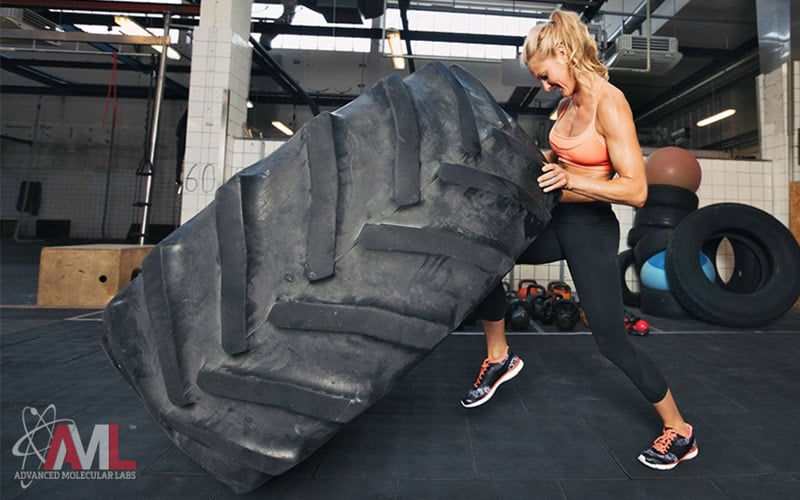
The Downside of Cross Training
Cross training programs have their critics. Some experts disapprove of inadequate education and experience of some trainers, the increased risk of injury, lack of concern for the principle of specificity, and the development of bulky muscles.
Level 1 certification for CrossFit requires that potential trainers attend a weekend workshop and pass a short test of CrossFit principles. Cross training includes a wide variety of exercises, including the Olympic lifts and complicated gymnastic movements.
These skills take years to master. A novice could never begin to learn them in a few days. Many cross training instructors are highly motivated, knowledgeable, and dedicated. Others, unfortunately, haven’t got the training or experience to teach these complicated exercises to beginners.
Related; Are Beginners Ready for Barbell Training?
Skill levels in Olympic lifting, gymnastics, and functional training among cross training instructors have improved in leaps and bounds as the sport has matured. Most cross training coaches have passion for their sport, so they have far more knowledge than they would get from a weekend seminar. Nevertheless, people should not jump into complex Olympic lifts without proper training and adequate practice.
Commercial cross training programs stress pain and agony. Performing high speed, high rep sit ups or squats often push muscles and joints to failure, causing severe knee or back injury or muscle destruction (rhabdomyolysis; “rhabdo”).
Until recently, physicians only encountered rhabdo after extreme trauma from automobile accidents. These days, rhabdo is common because of the popularity of “feel the burn” cross-training programs. Biomechanists, such as Stuart McGill from Canada, feel that high speed sit ups and squats damage the spine. The benefits of high levels of fitness are counterbalanced by the risk of injury.
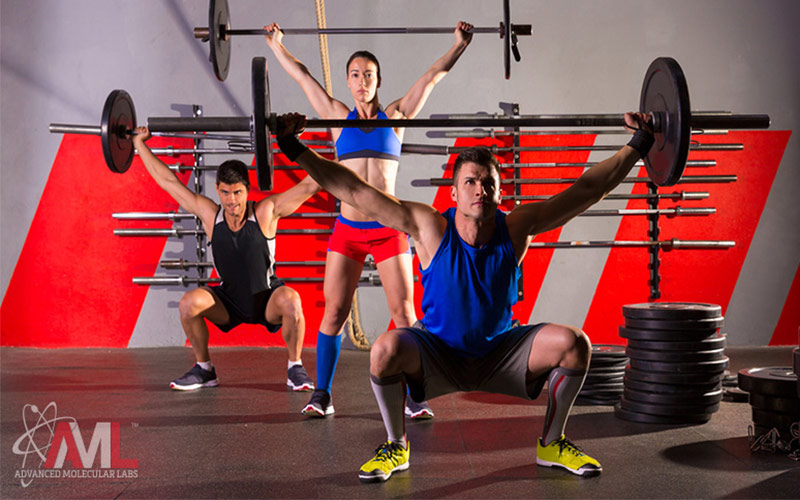
Excessive cross training can lead to overtraining— an imbalance between training and recovery. Symptoms include decreased performance, suppression of the immune system, overuse injuries, and chronic muscle soreness and fatigue.
While beginning cross trainers exercise every other day, more experienced people train three days straight followed by one day of rest. However, the almost cultish enthusiasm of some cross trainers can easily lead to excessive training.
Technique in complex lifts, such as squats and snatches, break down rapidly during high rep workouts. Cross training programs typically involve performing high reps of three to five exercises as explosively as possible. The safety of these programs has been questioned because form usually breaks down with fatigue, which increases the risk of injury.
A University of Connecticut at Storrs study led by David Hooper and Bill Kraemer found that squat biomechanics deteriorated during a 55-rep squat workout. Hip involvement decreased with fatigue, which placed greater loads on the knee joint and spine. These changes diminish the training effect of the exercise and increased the risk of injury.
Technique breaks down during high rep squat workouts, which place the spine and knees at risk and reduces the effectiveness of the exercise for building whole body strength.
A common complaint about cross training programs involve the changes in body composition from performing explosive functional training exercises such as squats, Olympic lifts, sled pushing and farmer’s bar carries.
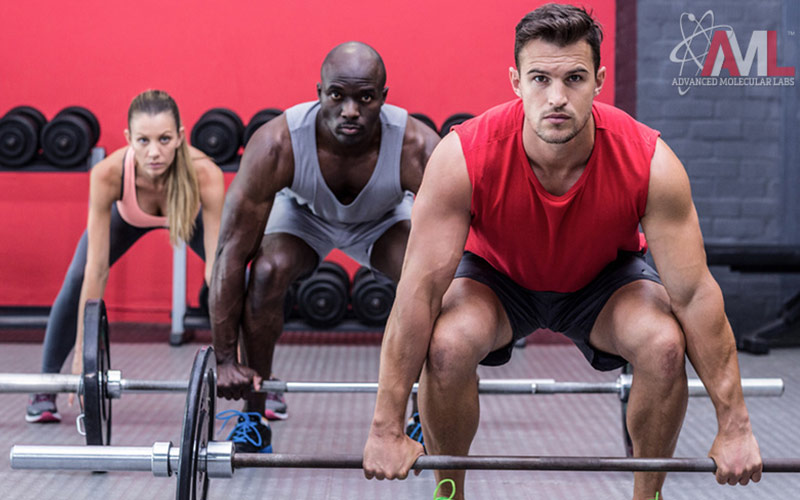
These exercises can create startling changes in the size of hip, core, and upper back muscles. While this is not a problem in people interested in building peak fitness, the changes go against popular perceptions about “fit looking” bodies.
A basic philosophy of most cross training programs is that you are only fit if you perform well in 10 areas of fitness. Movement is highly specific.
Related: 4 Killer Pushup Variations for Explosive Power
Sports science pioneer Franklin Henry from the University of California, Berkeley developed the principle of specificity of training in the 1950s. His studies showed that movements are highly specific, which means that skill development is unique to a given movement performed at a given speed.
Motor control studies from UCLA showed that practice reinforces motor patterns in the brain. These patterns are specific to each movement. There is no general coordination, agility, balance, or accuracy. The balance required in skiing is different from the balance required to stand on one foot or do tricks on a skateboard.
The nature of random cross training workouts makes it impossible to develop high levels of skill in Olympic lifts and gymnastics. Untrained people performing high-rep snatches, cleans, and overhead squats a few times per month will not develop high levels of skill in these movements without concentrated practice.
High levels of skill in these exercises require the development of many specific skills. These precise movement skills do not transfer to one another.
Using Weight Training Principles to Improve Cross Training Programs
An alternative to random high rep cross training programs is to combine the best of cross training with tried-and-true weight training principles using fewer exercises, fewer reps, and more rest days. This will allow you to retain the varied routines of high-intensity cross training workouts, while performing fewer reps, training fewer days, and doing fewer exercises.
Performing fewer exercises at predictable times will help you develop better skills in complex movements that will increase the safety and effectiveness of training. Doing fewer repetitions per set will help you maintain good form during the workout, which will reduce the risk of injury.
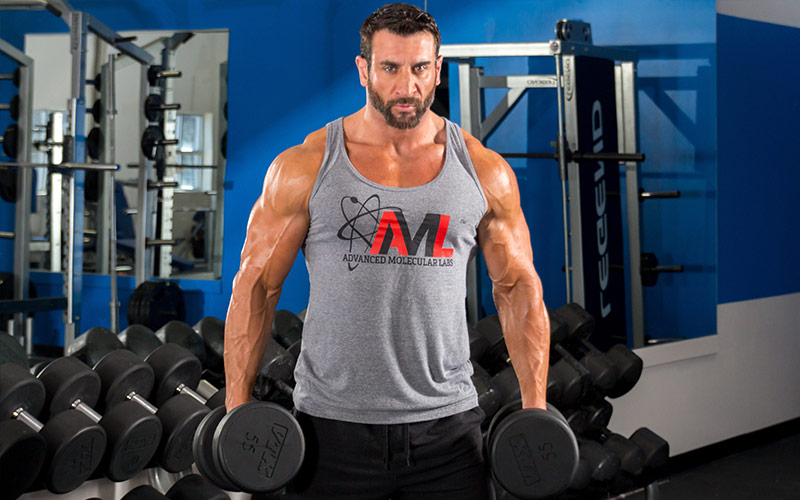
Deemphasizing high rep explosive exercises will allow you to fit into your clothes, while developing high levels of physical fitness. High intensity interval training builds fitness quickly, so it isn’t necessary to practice excessive volume.
Train three days per week. Each workout, choose one exercise from each of four categories: aerobics, traditional weight training exercises, functional training exercises, and explosive lifts. Try to choose different exercises each workout. Perform the sets and reps indicated. Do all lifts explosively, but with good form.
Weight-training Exercises
1. Squats: 5 sets of 5 repetitions at 70 to 80 percent of one-repetition maximum, one-minute rest between sets. Use good form and train explosively.
2. Push presses: 5 sets of 5 repetitions at 70 to 80 percent of one-repetition maximum, one-minute rest between sets. Use good form and train explosively.
3. Deadlift: 5 sets of 5 repetitions at 70 to 80 percent of one-repetition maximum, one-minute rest between sets. Use good form and train explosively.
4. Bench press: 5 sets of 5 repetitions at 70 to 80 percent of one-repetition maximum, one-minute rest between sets. Use good form and train explosively.
5. Pull-ups or lat-pulls: 4 sets of 10. For pull ups, perform the exercise through the full range of motion and pull up explosively. Use a spotter or assist machine if you can’t do this exercise properly.
Functional Training Exercises
1. Burpees: 4 sets of 10 burpees with 30 to 60 seconds between sets. Train explosively but use good form.
2. Overhead rock or shot throws: 10 repetitions of overhead throws using a heavy rock or shot (shot put).
3. Rock runs: 4 sets of 50-meter sprints holding a heavy stone, dumbbell or kettlebell.
4. Bunny hops: 4 sets of 10 reps of bunny hops (repeated standing long jumps).
5. Box jumps: 4 sets of 10 reps. One-minute rest between sets. Perform sets explosively with good form.
Explosive Lifts
1. Hang snatches: 4 sets of 5 repetitions with two minutes rest between sets. Use a weight that allows you to complete the workout with some difficulty. You can perform this exercise from the floor if you have good technique.
2. Kettlebell swings: 4 sets of 20 reps with a one-minute rest between sets. Perform reps explosively while maintaining a neutral spine and using a good hip hinge.
3. Dumbbell thrusters: 4 sets of 10 reps with one-minute between sets. Perform thrusters with a barbell, dumbbell, kettlebells, heavy rock or medicine ball.
4. Kettlebell snatch: 4 sets of 10 reps, 30 to 60 seconds rest between sets.
5. Jerks off the rack: 4 sets of 10 reps, 30 to 60 seconds rest between sets.

Aerobics
1. Stationary bike: 4 to 6 sets of 30 seconds at 100 percent of maximum and two minutes rest between sets.
2. Track sprints: 4 sets of 200-meter sprints on a track at maximum speed, walking 200 meters between sets.
3. 400-meter swimming sprint: Swim 400 meters as fast as you can.
4. Bike ride: ride six miles on a bike as fast as possible.
5. ARC or elliptical trainer: six sets of one minute at 100 percent of maximum effort.
This cross training program uses a limited number of exercises, which promotes skill development because individual exercises are practiced more often. Exercises are broken into sets and reps to promote better technique and reduce the risk of injury compared to programs that use high volume workouts to failure.
Exercises are performed explosively, which promotes the development of strength and power, but prevents overtraining. This program is less intense than popular cross training programs, which will help people stick with the workouts and prevent unacceptable changes in body composition.
Sample workout
Monday
| Exercise | Sets | Reps | Rest |
|---|---|---|---|
| 1. Squats | 5 | 5 | 1 min |
| 2. Burpees | 4 | 10 | 30-60 sec |
| 3. Hang Snatch | 4 | 5 | 2 mins |
| 4. Stationary Bike | 4-6 | 30sec at 100% effort | 2 min |
Wednesday
| Exercise | Sets | Reps | Rest |
|---|---|---|---|
| 1. Push Press | 5 | 5 | 1 min |
| 2. Overhead Rock or Shot Put Throw | 1 | 10 | 30-60 secs |
| 3. Kettlebell Swings | 4 | 20 | 1 min |
| 4. Track Sprints | 4 | 200m | walk 200m between sets |
Friday
| Exercise | Sets | Reps | Rest |
|---|---|---|---|
| 1. Bench Press | 5 | 5 | 1 min |
| 2. Bunny hops | 4 | 10 | 30-60 secs |
| 3. Kettlebell Snatch | 4 | 10 | 30-60 secs |
| 4. ARC or Elliptical | 6 | 1 min at 100%effort | 2 min |
references
- Alcaraz PE, et al. 2011. Similarity in Adaptations to High-Resistance Circuit vs. Traditional Strength Training in Resistance-Trained Men. J Strength Cond Res 25: 2519-2527.
- Bell, K. E., et al. 2015. Day-to-Day Changes in Muscle Protein Synthesis in Recovery From Resistance, Aerobic, and High-Intensity Interval Exercise in Older Men. J Gerontol A Biol Sci Med Sci. published online.
- Dekeyser B, Schwagten V, Beaucourt L. 2009. Severe rhabdomyolysis after recreational training. Emerg Med J 26:382-383.
- Falcone, P. H., et al. 2015. Caloric expenditure of aerobic, resistance, or combined high-intensity interval training using a hydraulic resistance system in healthy men. J Strength Cond Res. 29(3): 779-785.
- Farrar RE, Mayhew JL, Koch AJ. 2010 Oxygen cost of kettlebell swings. J Strength Cond Res 24:1034-6.
- Garber CE, et al. 2011. American College of Sports Medicine position stand. Quantity and quality of exercise for developing and maintaining cardiorespiratory, musculoskeletal, and neuromotor fitness in apparently healthy adults: guidance for prescribing exercise. Med Sci Sports Exerc 43:1334-59.
- Glassman G. 2007. The CrossFit Training Guide: CrossFit, Inc..
- Gregory, S. 2014. Lift squat repeat. CrossFit gyms' cultish painiacs love their max-out-and-do-it-again training regimen. Their critics are getting a workout too. Time. 183(2): 40-44.
- Grier, T., et al. 2013. Extreme conditioning programs and injury risk in a US Army Brigade Combat Team. US Army Med Dep J. 36-47.
- Hak, P. T., et al. 2013. The nature and prevalence of injury during CrossFit training. J Strength Cond Res.
- Headley SA, et al. 2011. Effects of lifting tempo on one repetition maximum and hormonal responses to a bench press protocol. J Strength Cond Res 25:406-13.
- Heinrich, K. M., et al. 2014. High-intensity compared to moderate-intensity training for exercise initiation, enjoyment, adherence, and intentions: an intervention study. BMC Public Health. 14: 789.
- Hooper, DR, et al. 2014 Effects of fatigue from resistance training on barbell back squat biomechanics. J Strength Cond Res 28: 1127-1134.
- Jay K, Frisch D, Hansen K, et al. 2010 Kettlebell training for musculoskeletal and cardiovascular health: a randomized controlled trial. Scand J Work Environ Health. Published online.
- Joondeph, S. A. and B. C. Joondeph. 2013. Retinal Detachment due to CrossFit Training Injury. Case Rep Ophthalmol Med. 2013: 189837.
- Kerr ZY, Collins CL, Comstock RD. 2010. Epidemiology of weight training-related injuries presenting to United States emergency departments, 1990 to 2007. Am J Sports Med 38:765-71.
- Kiberd M, Campbell S. 2011 Delayed-onset rhabdomyolysis after intense exercise. CMAJ 183:E1222.
- Larsen, C. and M. P. Jensen. 2014. Rhabdomyolysis in a well-trained woman after unusually intense exercise. Ugeskr Laeger. 176(25): published online.
- Logan, G. R., et al. 2014. A review of adolescent high-intensity interval training. Sports Med. 44(8): 1071-1085.
- Lunt, H., et al. 2014. High intensity interval training in a real world setting: a randomized controlled feasibility study in overweight inactive adults, measuring change in maximal oxygen uptake. PLoS One. 9(1): e83256.
- McGill SM, McDermott A, Fenwick CM. 2009 Comparison of different strongman events: trunk muscle activation and lumbar spine motion, load, and stiffness. J Strength Cond Res 23:1148-1161.
- O'Hara, R. B., et al. 2012. The influence of nontraditional training modalities on physical performance: review of the literature. Aviat Space Environ Med. 83: 985-990.
- Osawa, Y., et al. 2014. Effects of 16-week high-intensity interval training using upper and lower body ergometers on aerobic fitness and morphological changes in healthy men: a preliminary study. Open Access J Sports Med. 5: 257-265.
- Park, R. J. 1994. A long and productive career: Franklin M. Henry--scientist, mentor, pioneer. Res Q Exerc Sport. 65: 295-307.
- Partridge, J. A., et al. 2014. An investigation of motivational variables in CrossFit facilities. J Strength Cond Res. 28: 1714-1721.
- Pialoux, V., et al. 2015. Playing vs. Nonplaying Aerobic Training in Tennis: Physiological and Performance Outcomes. PLoS One. 10(3): e0122718.
- Rhea MR, et al. 2008. Noncompatibility of power and endurance training among college baseball players. J Strength Cond Res 22:230-4.
- Smith, M. M., et al. 2013. Crossfit-based high-intensity power training improves maximal aerobic fitness and body composition. J Strength Cond Res. 27: 3159-3172.
- Tremblay, A., et al. 1994. Impact of exercise intensity on body fatness and skeletal muscle metabolism. Metabolism. 43: 814-818.