The Perimeter Diet: Cheapest, Easiest Way To a Flexible, Healthy Diet

“I don’t know what to eat anymore! Why does all this nutrition stuff have to be so complicated?”
You are told to eat clean by one person and whatever “fits your macros” (IIFYM) by another.
Yet you read somewhere that you should eat healthy 80-90% of the time and be flexible otherwise. You start questioning yourself with all of these ideas start swirling in your head.
“What if one person thinks this is healthy and another thinks it isn’t? What am I supposed to do?!”
The IIFYM movement, while well-intentioned, was bastardized to an extreme where generally healthy eating habits were abandoned in the pursuit to fill a diet with whatever “junk” we wanted.
This in turn, resulted in a crisis of lack of knowledge.
Those who were introduced to nutrition during the IIFYM takeover never developed healthy eating behaviors or understood the importance of proper micro-nutrition.
Is it possible to be too “flexible” with your food choices? What actually constitutes a healthy food?
To structure an effective diet with a high rate of sustainability and whole food choices, we must incorporate a simple and easy to follow plan that could work for virtually anyone, regardless of goal (weight loss, mass gain, etc.)
Welcome to the future: The Perimeter Diet.
What is The Perimeter Diet?
Simply put, the perimeter diet is the easiest way to make smart food choices while grocery shopping. It is meant to aid you in building a healthy diet comprised of whole, minimally processed foods.
When you enter a grocery store, think about the setup. If you were to walk the perimeter of the store, you would generally walk by vegetables, fruit, fresh meat, seafood, dairy, eggs and perhaps a bakery with homemade bread or a deli with fresh unprocessed meat and cheese.
Virtually all these foods are comprised of one ingredient…the food itself.
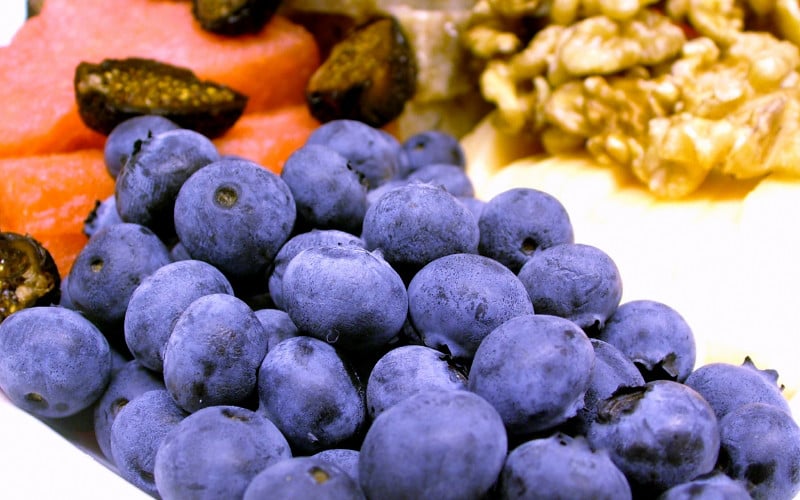
Perimeter Diet Food List:
Vegetables:
- Broccoli
- Cauliflower
- Eggplant
- Lettuce (Various kinds)
- Spinach
- Peppers
- Starchy Vegetables:
- Sweet potatoes
- Regular potatoes
- Squash
- Pumpkin
Fruits:
- Bananas
- Apples
- Oranges
- Assorted berries
- Kiwis
- Melons
- Pears
- Peaches
Meats:
- Beef
- Chicken
- Turkey
- Pork
- Tilapia
- Swordfish
- Salmon
- Cod
Dairy:
- Cheese
- Yogurt (Greek or Full Fat)
- Milk
- Eggs
- Cottage cheese
Meanwhile, in the aisles, you will find cereal, snack foods, cookies, chips, instant potatoes, frozen waffles, ice cream, sweetened beverages, and refined flours (breads, pasta, etc.). All these products contain long lists of ingredients, preservatives, and chemicals.
Another problem with many of these foods, is they lack micro-nutrients and do little for satiety.
They are calorie dense, highly palatable, and addictive foods filled with refined sugars, refined fats, added sodium, and various other additives. You name it (even though you may not be able to pronounce it) and it may have it.
Perimeter Diet: All it's Really Cracked Up to Be?
You will essentially be forced into building a largely plant-based diet (fruit, vegetables, potatoes, squash) with the addition of fresh high-quality protein sources (poultry, beef, seafood, cheese, milk, eggs).
There are some exceptions to the “stick to the perimeter” rule which I would view as valuable additions to your diet that can be found in the aisles:
- Oats
- Rice
- Oils (Coconut, EVOO, flax seed, red palm, macadamia nut, avocado)
- Spices
- Vinegars
- Beans
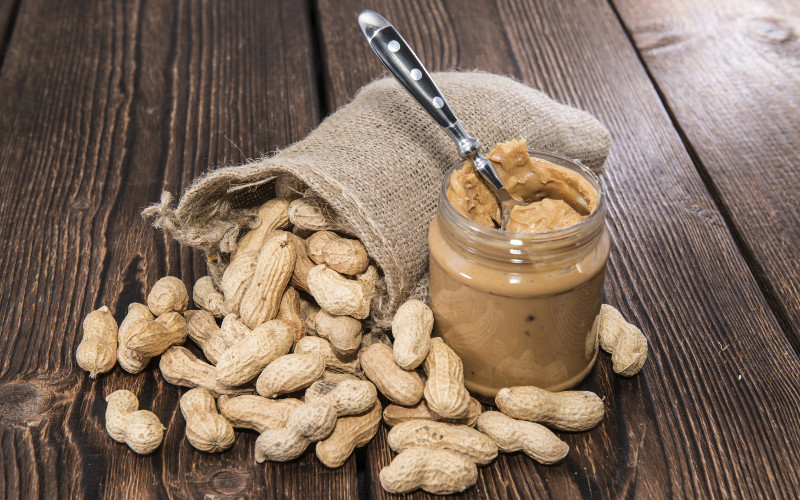
- Seeds, nuts, and nut butters
Your diet will be plentiful with fiber (most notably soluble fiber promoting heart health and cholesterol levels, a variety of healthy saturated, monounsaturated and omega 3 fats, complete proteins, vitamins, and minerals.1,2
Better yet, you will be eliminating refined vegetable oils and artificial trans-fat, and added sugars.
You may not think having a little trans-fat in your diet is a big deal but, did you know eating just 0.5g per day can make you 3.7 times more likely to exhibit coronary artery calcification (plaque buildup in your arteries).3
Dietary Adherence: So Simple, Yet So Complex
Gone are the questions about if the totality of your diet is beneficial to health both long term and short term.
Your actual shopping trip time will be cut down because a trip around the outside of the store will be quick and easy.
You will have access to so many foods that I doubt you will struggle to find things you like.
Lastly, dietary adherence will be much easier as you won’t be ingesting highly palatable calorie dense foods.
You probably know many of those processed snack foods have a lower level of beneficial nutrients, while containing more harmful ingredients and preservatives.
What you may not know is that the sugars, fats and sodium in these foods are highly addictive and could alter neurological factors within the brain which influence future food choices.
Recent research has even shown that sugar is as addictive as cocaine so eliminating trigger foods will help to cut down on cravings.4
By choosing options from the perimeter diet, you will be able to fill your stomach with higher volumes of food that are much more satiating.
Even the more calorie dense options (oils, butters, nuts, etc.) that you will be eating, have actually been shown to improve long term satiety.
Muscle Gain? Fat Loss? Secure the Perimeter!
Based upon the evidence presented, we can clearly see how increased satiety and decreased cravings could benefit someone cutting or looking to decrease their calorie intake.
However, this “diet” is quite applicable for those bulking and trying to add some quality mass.
First, you will be getting high quality protein sources with complete amino acid profiles.
Second, given the increased variety of nutrients, your gym performance should be better than ever since you're giving your body rocket fuel instead of regular unleaded.
If you have trouble getting in enough calories, it's easier to pack in calorie dense foods, such as cheese, dry oats, rice, nuts, nut butters, seeds, oils, fresh bread, whole milk, or smoothies.
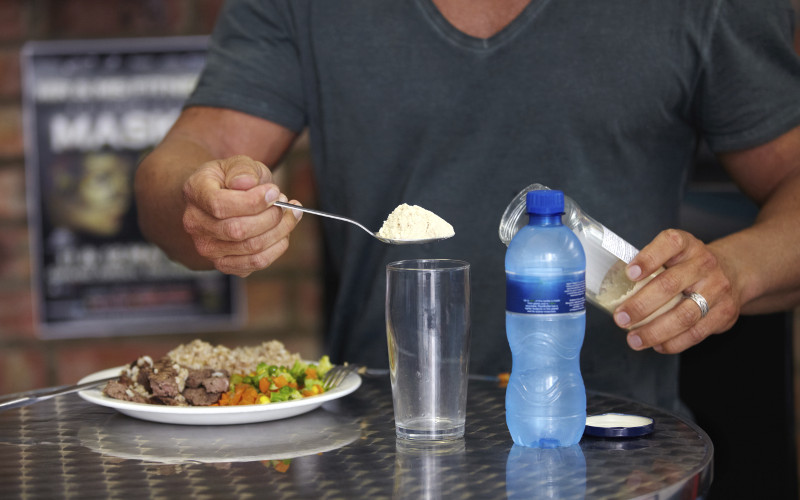
You can also get creative with whey by adding it to shakes, oats, or mixing it in yogurt or cottage cheese.

Key Takeaways:
- Shopping the perimeter of the grocery store rather than the aisles is an effective way to build the core of a healthy, nutritious diet.
- The foods your diet will consist of offer a wide variety of nutrients, complete amino acid profiles, balanced fat profiles, and heart healthy fiber.
- You will be eliminating harmful ingredients, additives, preservatives, and highly palatable/calories dense processed foods.
- Your diet will be easy to follow no matter your goal and you will always have many tasty options to create fantastic meals.
Perimeter Diet Sample Meal Plan
Not only is this diet easy, versatile and healthy, it is also budget-friendly.
One thing people don’t realize is just how much packaged food and fast food costs.
Consider the fact that the average cost of a burger and fry “value meal” will cost you 5-10 bucks.
I can make the entire menu of 4 meals listed below for nearly the same cost by buying things like oatmeal, potatoes, meats, eggs, and yogurt in bulk (Costco, BJ’s, Sam’s Club).
You can also save quite a bit by buying fresh produce in season. Look at online circulars for local grocery stores and check to see if your store has a reduced produce section.
BREAKFAST: Peanut Butter Banana Oatmeal With a Broccoli and Cheese Omelet
| Ingredient | Serving Size | Cost |
|---|---|---|
| Oatmeal | 1 Cup | $0.30 |
| Whole Egg | 3 Large | $0.40 |
| Banana | 1 Medium | $0.15 |
| Peanut Butter | 1 Tbsp | $0.15 |
| Cottage Cheese | 1 Serving | $0.50 |
| Breakfast Total | $1.50 | |
| Directions: Mix the eggs, broccoli, cottage cheese, and spices in a large bowl. Pour into a skillet on medium heat and cook until lightly soft. Add water to the oatmeal and microwave on high for 4-6 minutes depending upon the strength of your microwave. Once cooked, add a sliced banana, drop in your tablespoon of peanut butter, and finish with a sprinkle of cinnamon (Optional: replace peanut butter with coconut oil or the banana with berries or other diced fruit). | ||
LUNCH: Mexican Chicken, Rice and Beans with Side Salad
| Ingredient | Serving Size | Cost |
|---|---|---|
| Chicken | 8 Ounces | $1.00 |
| Black Beans | 1 Can | $0.40 |
| Rice | 1.5 Cups | $0.08 |
| Canned Tomatoes | 1 Cup | $0.33 |
| Spinach | 3 Cups | $0.25 |
| Diced Tomatoes | 1 Cup | $0.12 |
| Broccoli | 1 Cup | $0.12 |
| Oil | 1 Tbsp | $0.10 |
| Vinegar | To Taste | $0.10 |
| Lunch Total: | $2.50 | |
| Directions: Combine 8oz of diced, precooked chicken with ½ cup cook black beans, 1.5 cups cooked rice, 1c canned diced tomatoes and season with chili powder, pepper, and salt to desired taste. (Optional: mix in salsa, taco sauce or hot sauce). For the salad, combine 3cups romaine, 3 cups spinach, 1 cup diced tomatoes, 1 cup of your favorite raw vegetable and toss in 1 tablespoon of olive oil with your favorite vinegar (white, red wine, apple cider, balsamic). | ||
DINNER: Ground Beef with Grilled Peppers, Onions, and Oven Roasted Potatoes.
| Ingredient | Serving Size | Cost |
|---|---|---|
| Beef | 8 Ounces | $1.50 |
| Potatoes | 8 Ounces | $0.20 |
| Peppers | 1 Cup | $0.20 |
| Onions | 1 Cup | $0.20 |
| Dinner Total | $2.10 | |
| Directions: Saute 8oz of ground beef with 1 cup of sliced peppers and 1 cup of chopped onions. Cook to desired temperature and then keep warm until potatoes have finished. Roast 8oz potatoes in the oven with Italian seasoning, garlic powder, onion powder and salt to taste. | ||
DESSERT: Chocolate Banana Peanut Butter Protein Sludge
| Ingredient | Serving Size | Cost |
|---|---|---|
| Greek Yogurt | 1 Cup | $0.75 |
| Whey Protein | 1 Scoop | $0.60 |
| Banana | 1 Medium | $0.15 |
| Peanut Butter | 2 Tbsp | $0.30 |
| Dessert Total | $1.80 | |
| Directions: Mix 1 cup of yogurt, 1 scoop chocolate protein powder, 1 mashed banana, 2 tablespoons of peanut butter, and Splenda or honey to taste. If desired, freeze for a frozen yogurt dessert. | ||
Daily Total: $7.90
What Are You Waitin’ For?
So, no more excuses. You can’t say you don’t have options, eating a good diet is too expensive, or the food doesn’t taste good.
In the short-term, I can all but guarantee you will feel better recovery when you are fueling your body with high-quality nutrient-dense foods.
Better recovery results in better workouts, which results in better body composition.
In the long run, your health is priceless so take care of your body. Just think of the potential savings in possible medical bills decades in the future.
So I ask you… WHAT ARE YOU WAITIN’ FOR? It’s time to head to the grocery store!
References
- Cholesterol-lowering effects of dietary fiber: a meta-analysis
- Fish Consumption, Fish Oil, Omega-3 Fatty Acids, and Cardiovascular Disease
- Low-density lipoprotein particle number predicts coronary artery calcification in asymptomatic adults at intermediate risk of cardiovascular disease.
- Is Sugar More Addictive Than Cocaine?