Step by Step Guide to Building a Fat Loss Diet

Spring is in full swing, the winter bulk is over.
This means two things:
- We need a spring poem.
- We need to start thinking about getting down to business on our fat loss program for the beach.
Let’s start with our poem.
Winter is over, marking the end of my bulk.
Those months were great, now I look like the hulk.
Now I need to lean out, so I can hit the beach every day.
Because in a few weeks,
“It’s going to be Mayyyy” – read in Justin Timberlake voice.
Now that we knocked out our poem, we are ready to talk about your fat loss program to prep for summer.
Most fat loss cycles are set up for failure from jump. This is usually because most people get distracted by the new diet book that was just released, the latest supplement, or some Instagram star’s new fasting protocol.
If you want to succeed you need to cut through the noise and focus on what really matters, the fundamental principles.
So let’s cut the chit chat and get down to business.
Related: 6 Things About Fat Loss You Don't Want to Hear
1. Your Diet Doesn’t Actually Matter
IIFYM, paleo, keto, vegan, vegetarian, pescatarian, low-fat, cyclic ketogenic diet… it literally doesn’t matter.
Ok, well it does matter, but it also doesn’t matter.
Let me explain.
Over the last 40 years we have tested almost every diet you can imagine: Atkins, Weight Watchers, Vegan, Paleo, Keto, etc. and we have learned quite a few things from conducting these studies.
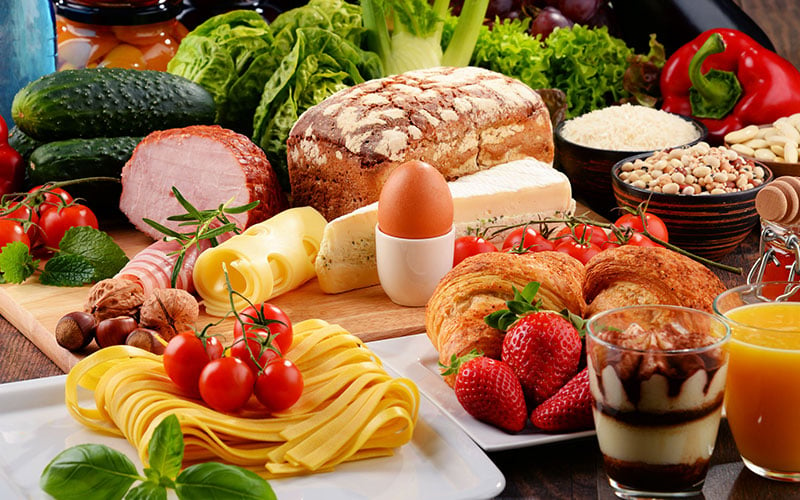
Here is what we have learned.
Adherence and calorie balance drive almost all the long-term fat loss and weight loss across 25 years of studies. Diets that extend beyond 30 days are driven almost entirely by these two things, regardless of which dietary intervention you choose.
In the short term (1-4 weeks) there appears to be no benefit on fat loss with low-carb or even ketogenic diets over other dietary interventions1,2. There doesn’t appear to be a metabolic effect either, no real change in energy expenditure that is meaningful has popped up either2.
We have really looked at this from a lot of different angles and it just doesn’t appear that from the big picture view, your diet choice matters to any meaningful degree when it comes to fat loss.
You need to find what you can stick to and what can help you drive a deficit.
2. Protein Matters in Fat Loss
Once you have sorted through your existential crisis that your buddies IIFYM approach is just as good as your clean eating approach we need to operationalize a few things to make sure you get the best results possible.
One of the biggest things to consider during a fat loss cycle or phase is setting up your diet to hold onto as much muscle mass as possible.
During periods of substantial weight loss induced by diet, anywhere from 4-37% of the weight lost can be from fat free mass3. That means during a fat loss cycle you can blow through a lot of muscle tissue. Kiss your biceps goodbye.
One way to mitigate the lean mass loss is by increased protein intake. In a study that looked at young athletes, increasing protein from 1.0 g/kg/day to 2.3 g/kg/day prevented lean mass during a weight loss intervention4. This same phenomena has been seen in overweight and obese women, where a higher protein intake (1.5 g/kg/day) reduced the amount of lean body mass during a weight loss intervention5.
Operationalizing this advice boils down to a simple rule: consume between 0.7 and 1.0 grams per pound of body weight per day and you are within the “therapeutic” window for protein intake.

3. Refeed Days Are a Powerful Tool
During dieting cycles we often see reductions in non-exercise activity thermogenesis, overall training volume, decreased metabolic rate, and poor sleep. There is anecdotal evidence and some preliminary scientific evidence that the longer one diets, the more these things begin to pile up and become problematic.
Sadly, hard core scientific evidence on refeed days (days where you strategically increase calories) or diet breaks is scant. There just hasn’t been much work done on these concepts. However, experiential knowledge has taught us that both of these strategies can help mitigate some of these “negative results” from dieting.
In people who train hard through a dieting cycle, a refeed day is a smart strategy to have 1-3 days a week where training volume and recovering capacity is increase in comparison to the other days spent in substantial caloric restriction.
Dieting breaks also appear to help with changes in non-exercise activity thermogenesis, metabolic rate, and the mental aspects of dieting.
Now it is important that these “refeed” days or “dieting breaks” have structure as they can get out of hand and derail your progress if they are not done correctly. For example, if you utilize a refeed day and you maintain a roughly 600 calorie a day deficit 6 days a week and then smash out a 3,200 calorie surplus on your refeed day then you just negated the whole week.
Similarly, if you accumulated a 7,000 or 8,000 calorie deficit over the course of 3-4 weeks and then ran up a 7,000 or 8,000 calorie surplus during your diet break week from mindless eating, you also just negated several weeks’ worth of work.
Smart, targeted, thought out uses of refeed and diet breaks can improve overall adherence (in some, but not all situations) and help maintain higher levels of training, sleep, and physical activity.
4. Button Up the Details
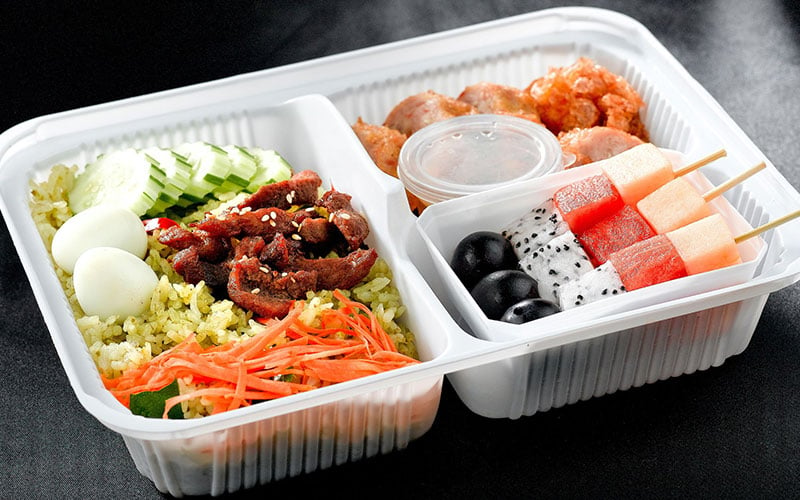
During fat loss cycles the small things matter. In most cases, the thing that makes or breaks someone’s dieting success comes down to the accumulation of all the small habits.
Here is a list of all the small things you need to tighten up.
- Watch your steps: If you want to maximize your fat loss during a dieting cycle, walking and moving around is probably the single best thing you can do after you dial in your diet.
- Sleep: If you aren’t getting adequate sleep you are leaving results on the table.
- Veggies: High volume, high fiber, low-calorie foods are incredibly helpful for keeping you satiated. They also pack more vitamins and minerals at lower calorie points.
- Sodium: Seeing large blips up in scale weight during a fat loss cycle derails people faster than a trolley problem. Having high sodium intakes on random days can make weight swing wildly. In fact, I have seen weight swing 8-10 pounds just from sodium intake (we are talking like 10,000 mg of sodium). Be mindful of sodium intake and how it impacts your scale weight
- Meal prep: Eating out or being put into situations where you have no idea what you are eating can set you back if you don’t account for the potential “miscalculations”.
- A schedule: Having a routine schedule for training, walking, sleeping, and life in general makes fat loss cycles go much smoother. It also helps to give you an “end date” to focus on.
Related: 3 Simple Strategies to Get Leaner Without Lifting
The Wrap Up
When setting up a fat loss cycle don’t focus on the hype. Think about the fundamental principles and you are guaranteed to succeed.
Pick whatever dietary style you find best fits you, adhere to it, and maintain a solid calorie deficit during the cycle.
Aim to consume 0.7 to 1.0 grams of protein per pound of body weight to make sure you preserve as much lean mass as possible.
Consider using smart, calculated refeed days or dieting breaks to help keep energy levels high, training crisp, and recovery on point.
The small details of your life really matter; the accumulation of those small details make or break your success.
Did you enjoy this article? Make sure you sign up for our email newsletter in the submission box below to get all of our newest articles, videos, and workout programs delivered directly to your inbox every Sunday.
References
- Calorie for Calorie, Dietary Fat Restriction Results in More Body Fat Loss than Carbohydrate Restriction in People with Obesity.
- Energy expenditure and body composition changes after an isocaloric ketogenic diet in overweight and obese men.
- Changes in fat-free mass during significant weight loss: a systematic review.
- Increased protein intake reduces lean body mass loss during weight loss in athletes.
- Higher Protein Intake Preserves Lean Mass and Satiety with Weight Loss in Pre‐obese and Obese Women.